Looking for creative ways to teach one to one correspondence to your little learners? You're in the right place! In this post, we'll explore what one-to-one correspondence is and how you can make learning this beginning math skill both fun and effective with 35 low prep and ridiculously fun activities.
Plus, I unintentionally included SO MANY FREEBIES in the post, so keep scrolling and download them all (6 in total)!
*As an Amazon affiliate, I may get a small commission for purchases made through links in this post, most likely pennies ; )
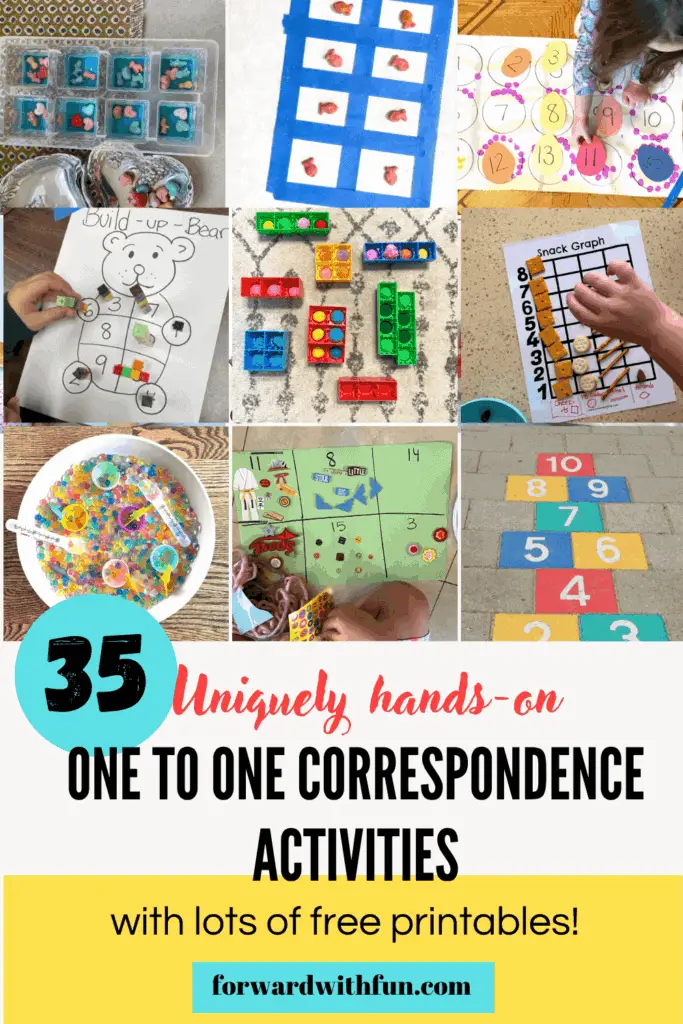
One-to-one correspondence, also known as 1:1 correspondence or one to one correspondence, is the foundational math skill where children understand that a number represents a specific quantity. It means the ability to count accurately! If you've asked your child to count 20 legos, and they're counting way too fast as they point to the objects, they likely need to practice one to one correspondence.
Before they can be expected to have mastered one to one correspondence though, children must know how to rote count...which means counting out loud and saying the numbers in order. If your child is still working on saying the correct numbers in order, these epic rote counting activities will be sure to build those skills while also being fun!
Teaching one-to-one correspondence is crucial because it:
Usually this 1:1 correspondence develops between the ages of 2 to 5. In preschool, children are expected to be able to count up to 5 and then 10 objects accurately. By kindergarten the expectation is 20 objects, but hopefully more. In first grade, children should be able to count 100 items accurately. However, developmental variations are normal.
I made these for my students, and now your students. They're simple and fabulous.
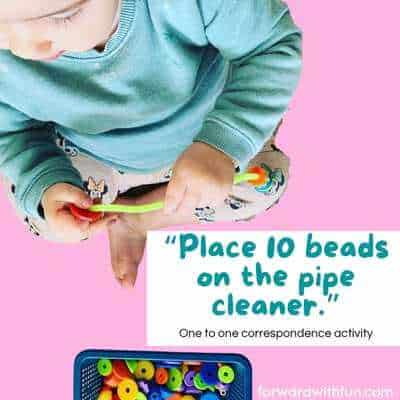
Kids count beads as they string them on a pipe cleaner. See how many can fit?
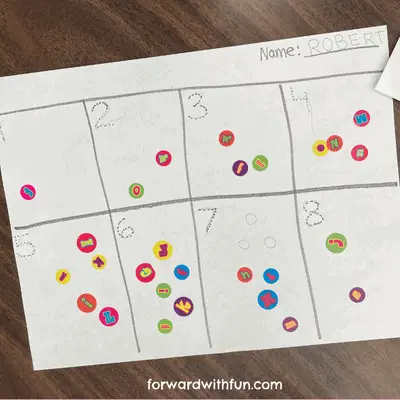
Stick one sticker on each numbered spot. Kids are obsessed with stickers, so use that to your advantage. This one to one correspondence activity is easy to make harder or easier for your small groups.
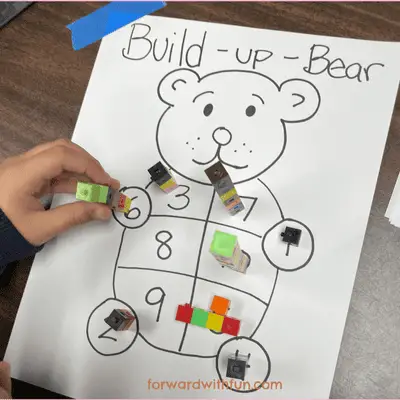
My students love Build a Bear so I thought to do a little play on words with that to practice one to one correspondence. Just like the sticker activity, it takes 15 seconds to prep, but kids use connecting blocks to "build up" their bear. ; )
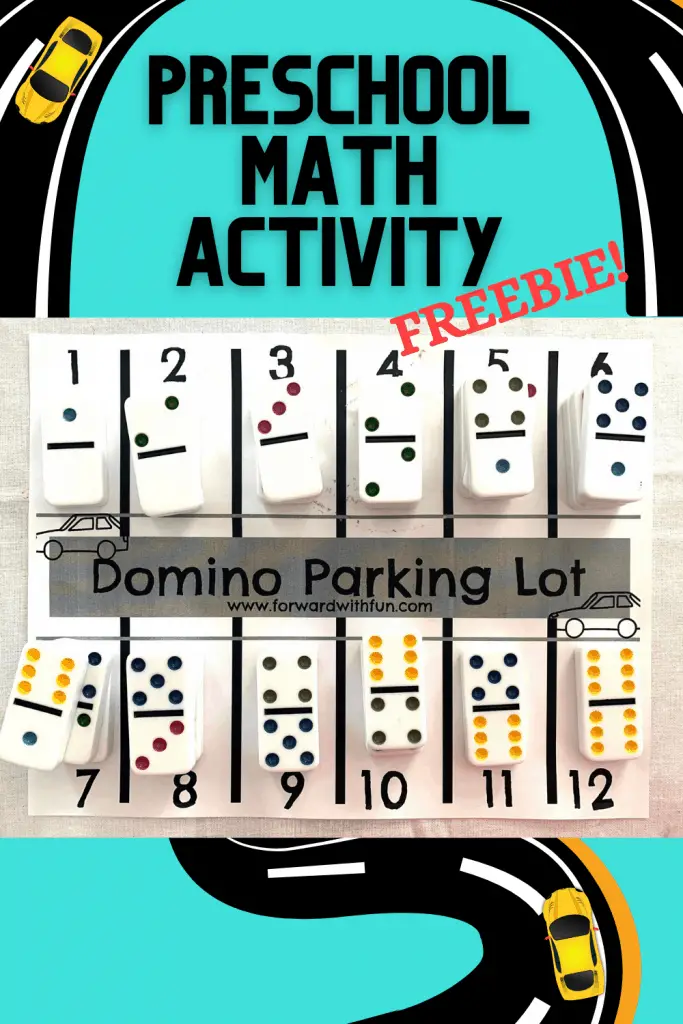
This is such a clever, low prep activity for kids who love cars. Pretend each little domino is a car and needs to be parked in the correct number parking spot. Kids will be counting the little dots with 1:1 correspondence and using imaginative play!
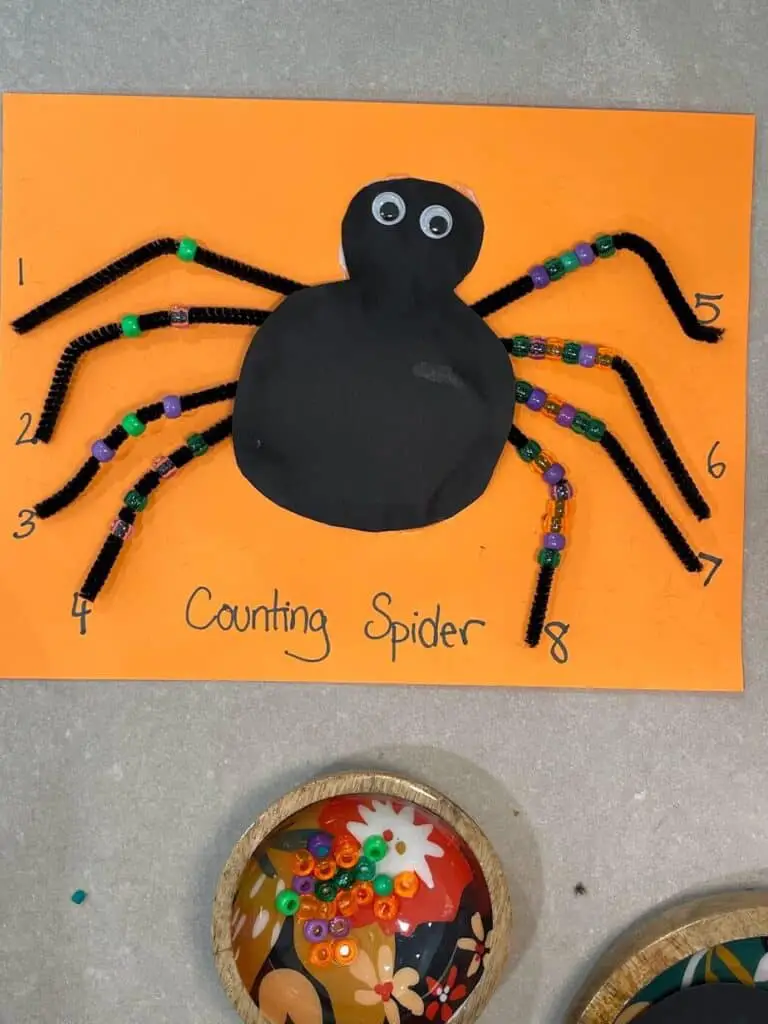
I had my kindergarteners do this one around Halloween. They match the number of beads to the number near the spiders leg. You can easily differentiate this activity with higher numbers for more advanced students!
Take turns calling out a number and then clap, stomp, or snap that many times. You can go around in a circle having one child pick the number, and one child pick the action. For example "18 jumps!" To reinforce one to one correspondence, challenge everyone to stay on the beat as you model for them, because younger kids may jump super fast and number match up their movements with the actual counting.
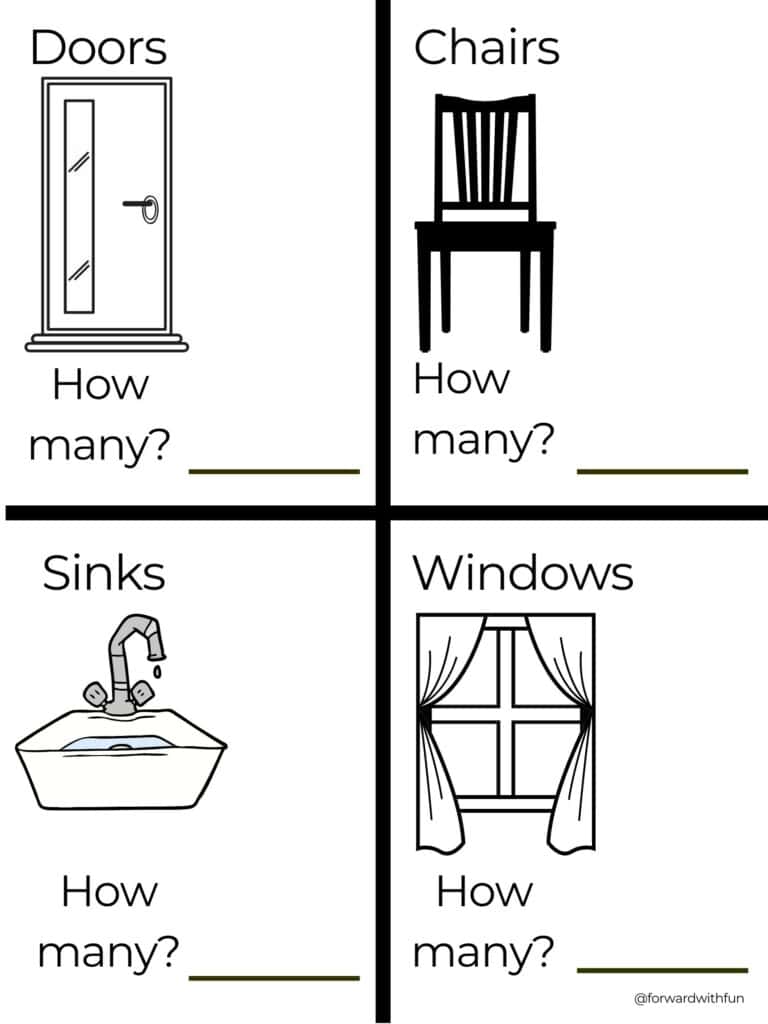
Go on a one to one correspondence scavenger hunt around the room or the house. Count how many doors, chairs, sinks, and windows you have. Click on the picture to take you to our free download!
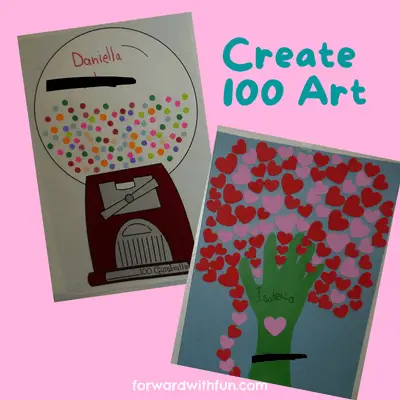
A classic kindergarten activity is to count out 100 of a specific object. I assigned my kindergartners this task, and they all had such great ideas of what to bring in. One child memorably printed out a large photo of my head and strung on 100 blonde pieces of yarn. The closest I've ever become to being blonde, haha.
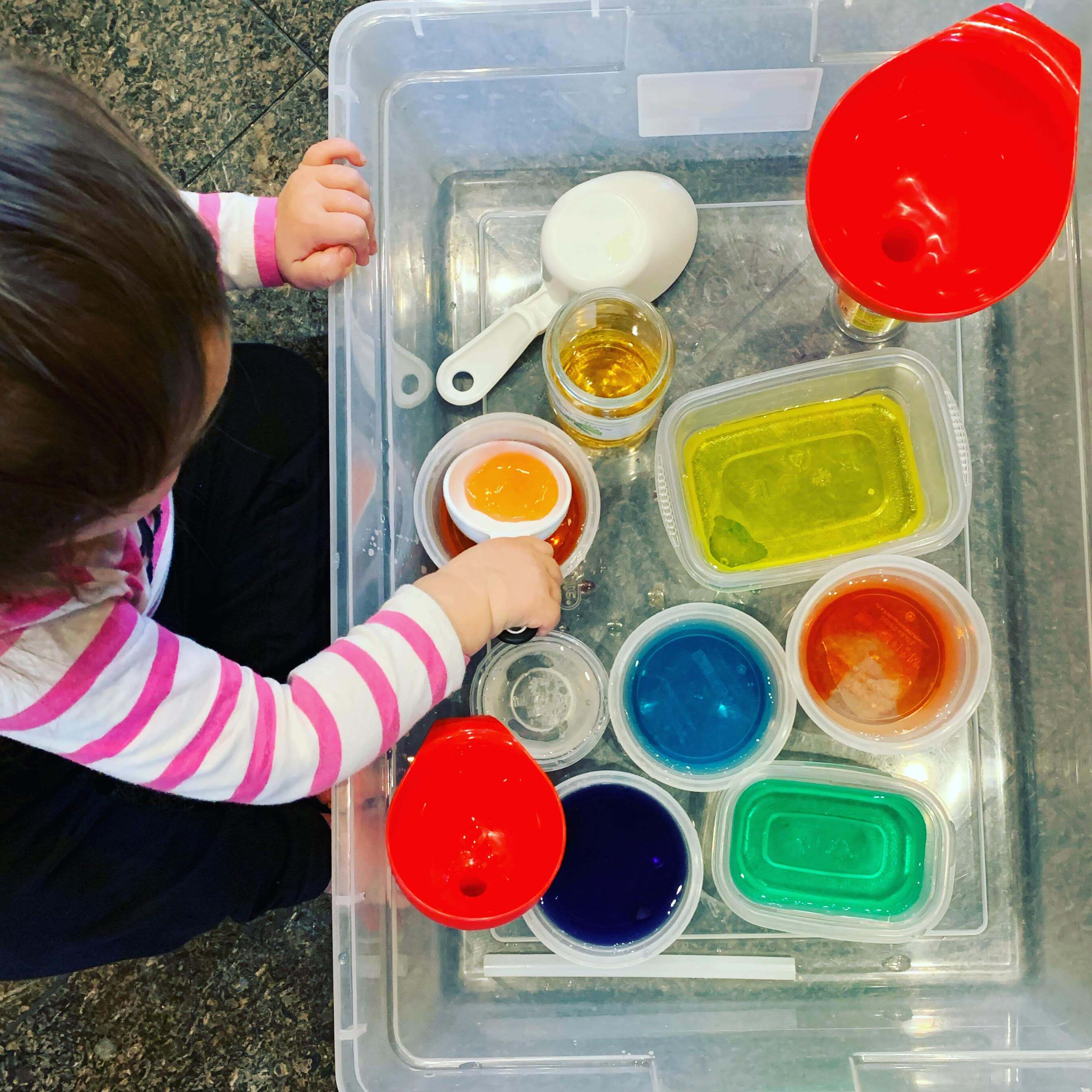
Okay, stick with me here. This is probably would be better done outside, but kids love pouring water. It's true. For this braver-than-most activities, you label a bunch of different containers with numbers, then have children pour that number of spoons/squirts/whatever you choose to match the number. It's sensory, fine motor, and shows that even liquid has quantities (science)!
I know here I am again with my wild ideas, but my 2.5 year old was obsessed with her Halloween candy, so I stuck it all together in a bowl, threw in some numbers, and had her put that many in the pumpkin. This makes an excellent math center. (For more excellent preschool level Halloween activities, check out this post).
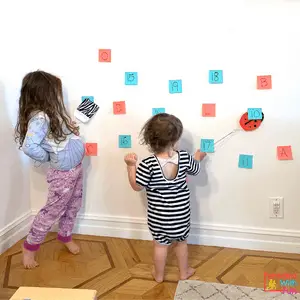
Got a fly swatter and post-it notes? Write the numbers your students should count to and have them practice hitting each number that many times. Incorportating movement with learning makes it way more memorable, but it also makes children count more slowly, reinforcing the concept that each number correspondence with one movement!
This was a HUGE hit for snack time and honestly, for all my kindergarteners. It does involve some prep, but like the swatting game, kids LIVE for the opportunity to be physically.
Make your own board game or seriously, play any board game. The rule I always say to my students is "touch 1, count 1." This is really important when playing board games, and kids will call each other out if they go too many spaces. Playing board games is a covert way to teach one to one correspondence.
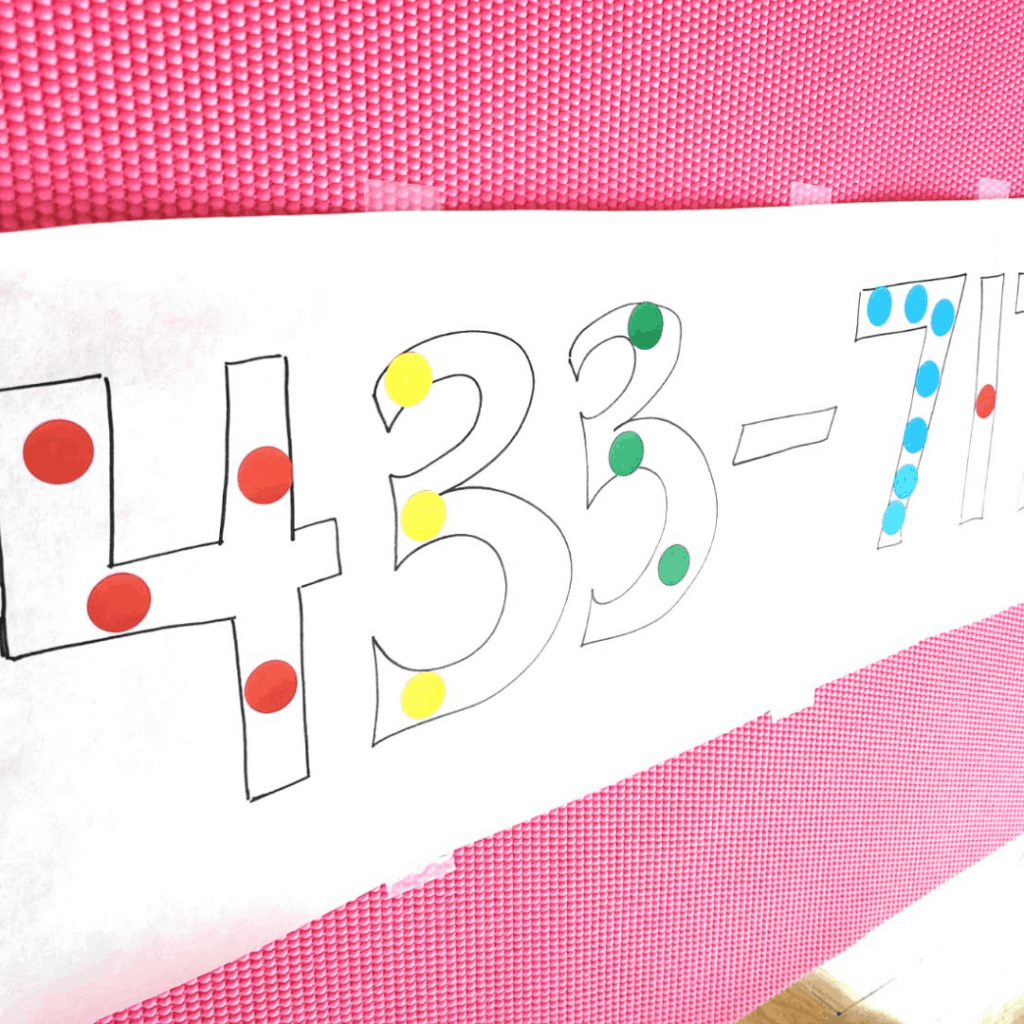
This activity teaches your child their phone number-an important safety skill-while also practicing one to one correspondence. Write your number down on a large piece of paper, then have kids affix stickers/objects based on each number. Have them check their work to reinforce the one to one correspondence.
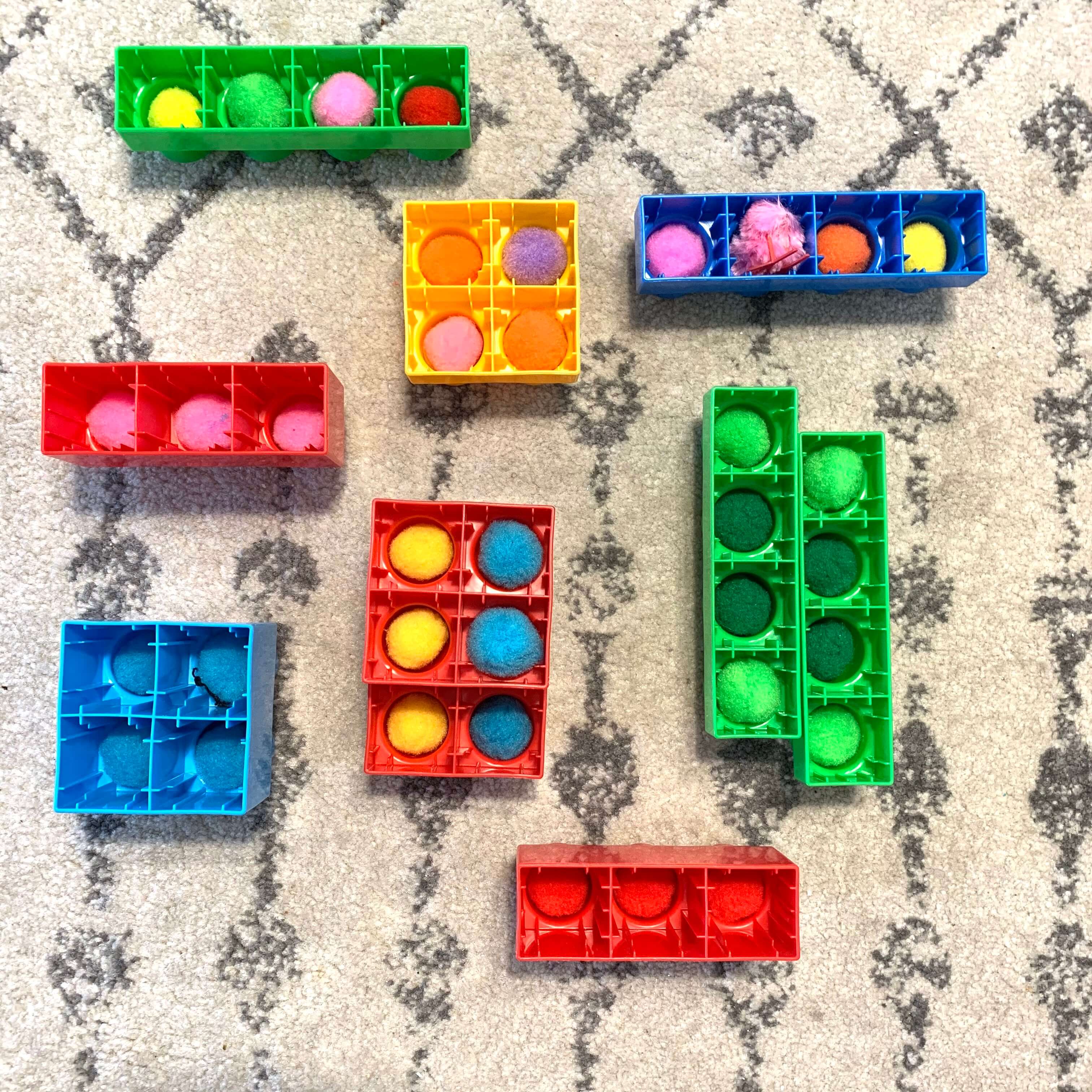
I feel like every family and preschool I know has Mega Bloks, and usually they're used for building. But turn them upside down and they'll make a great counting tool, teaching one to one correspondence.
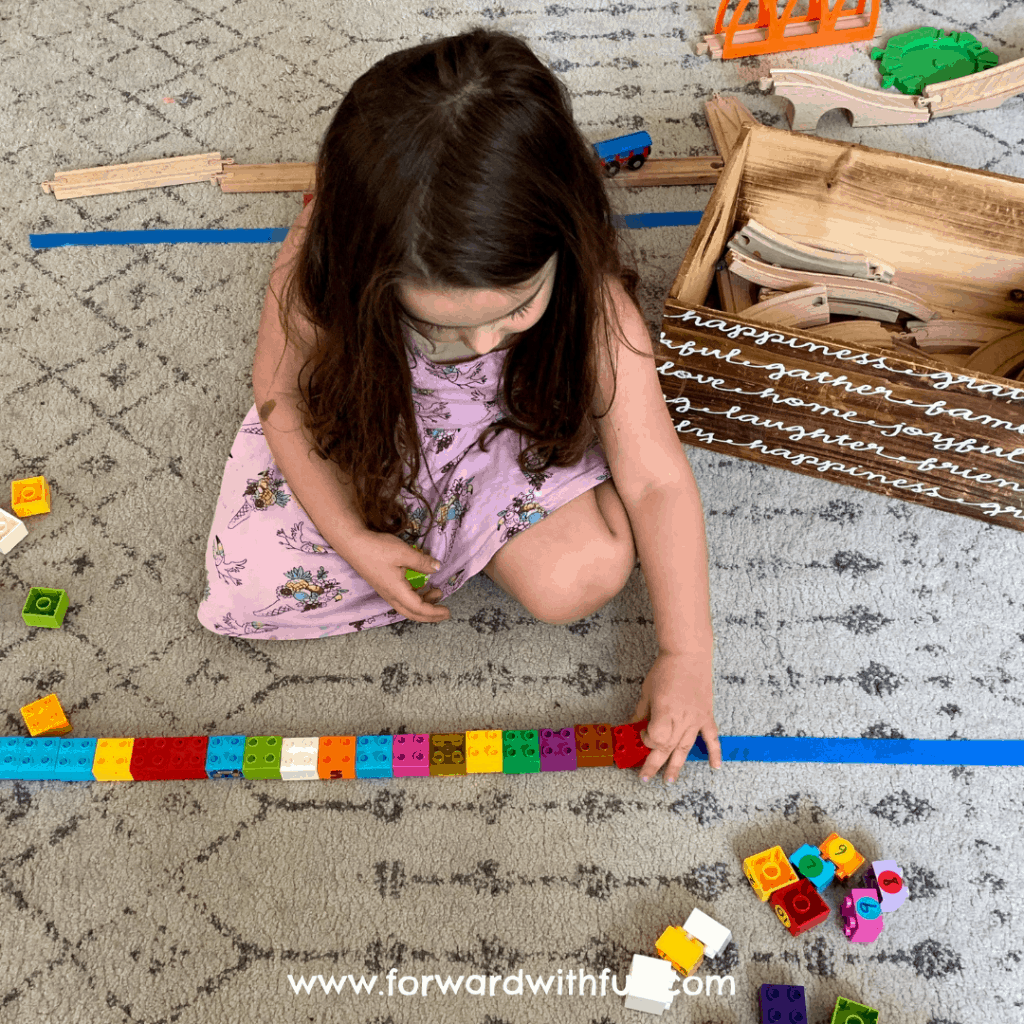
Place two pieces of tape on the ground at a distance from one another. These can be very long if done in a classroom. Have your students count how many steps it takes to get from one piece to the other, then how many hops, jumps, skips, leaps, whatever they can think of. Students are learning one-to-one correspondence by pairing the numbers with each movement, all while improving their gross motor skills!
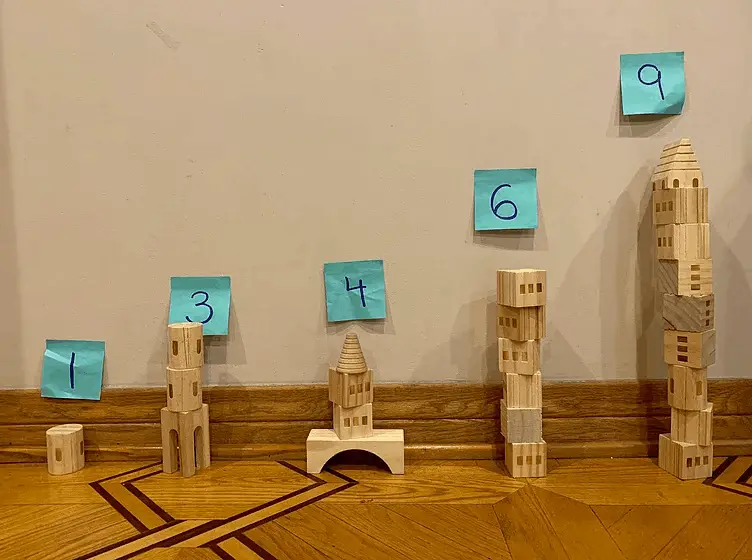
Another super fun counting activity that makes a great math center. Either children build their towers up to a specific number OR they build them up to a specific height and then count the number of blocks. Also, this can be done with any building material you have one hand.
Is anything better than a snack? This is one of the earliest counting activities I did with my children, and it was always easily done during snack time. Kids love to know how many snacks they have, and every time they do a recount, they're checking that they counted with one-to-one correspondence.
Did you know that before kids learn to measure in inches or centimeters, they're taught to measure in objects? How tall are you in Duplos? Bears? Unifix cubes? It's important to know that while kids are measuring, they must pick one kind of uniformly sized object to measure themselves. As they move each of the objects and keep track of their number, they're working on accuracy while counting.
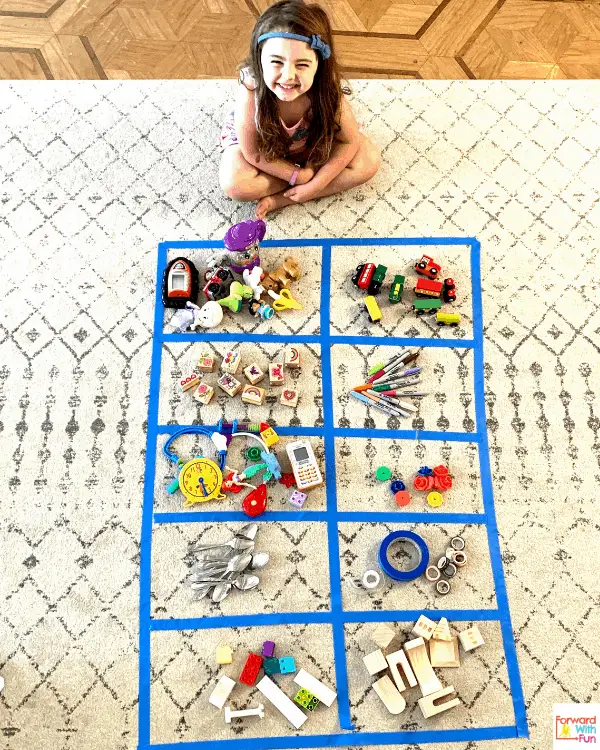
These kind of one to one correspondence activities encourage students to work with large quanitities. In order to keep their counting accurate, they'll need to develop strategies to organize their collections. To dive deeper into counting collections check out this post.
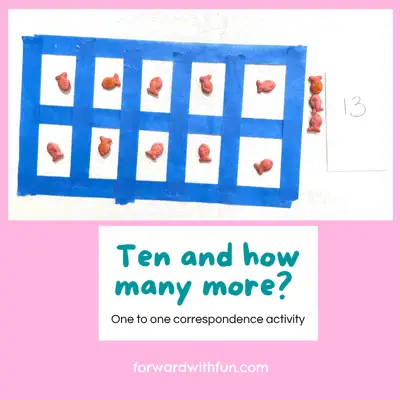
Using a ten frame can really help students keep track of their counting and practice counting on from the number ten towards numbers in the teens. In the recommended strategies for students struggling with one to one correspondence, I suggested ordering objects in straight lines, and a ten frame does this for you automatically. I make my own ten frames for snack time counting, but you can easily draw them or print them.
An easy transition game, have one kid pick an animal and one kid pick a number between 1-20. Squawk like a parrot 11 times! Moo like a cow 14 times! Kids love pretending, and this is a simple way to practice chorally counting with one to one correpondence.
This is so simple; pair up students with something easy to toss and catch. My favorite thing to use in the classroom is this set of bean bags, because it's 99% sure no one will get hurt. Have partners keep track of how many times they can toss and catch their team's bean bag before it falls. Move closer together to get higher numbers!
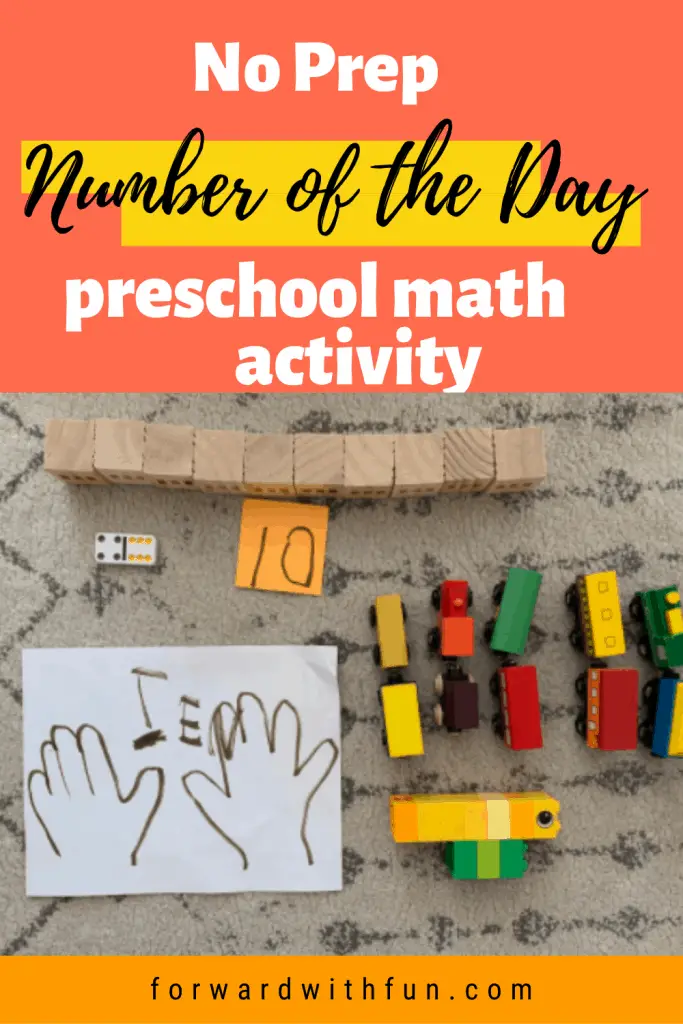
Choose a challenging number to be the number of the day, a concept popular on Sesame Street! Kids will draw, collect, and stack a bunch of versions of that number to become experts on their number of the day. Each time they practice counting to that number, they are learning one to one correspondence. Bonus: they can check their friends work for extra practice!
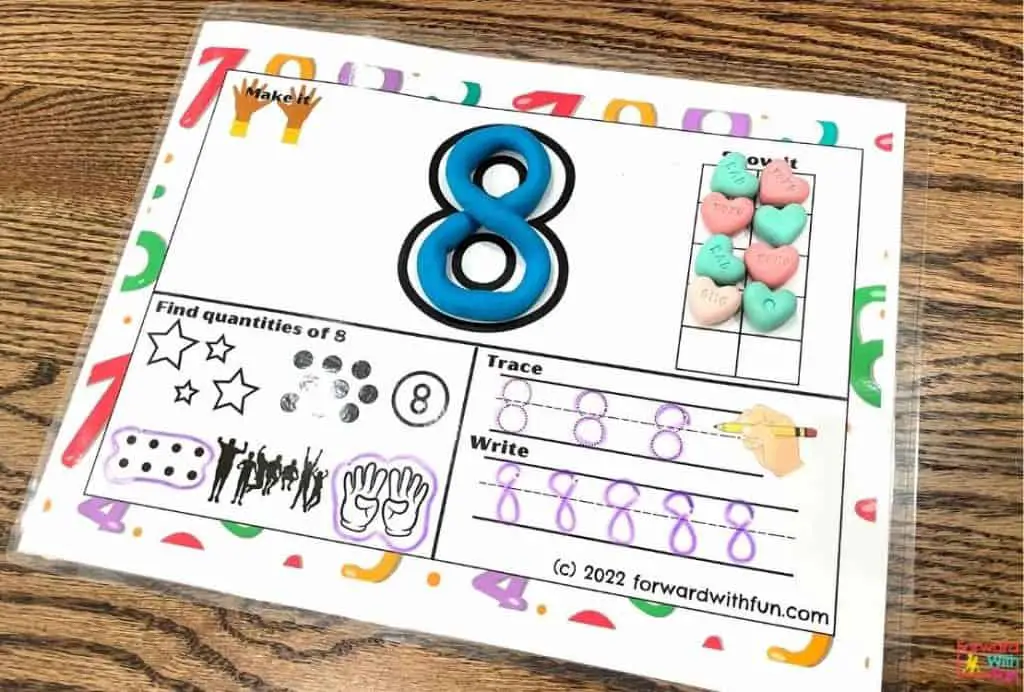
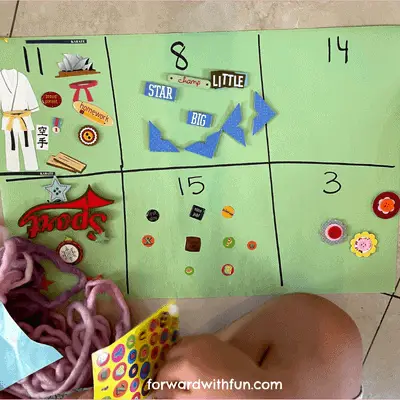
You can choose to do these activities with any kind of colorful objects. My favorite is pom poms, but when I do this with my classroom, I have used colorful candies like candied hearts, skittles, M & M's. Kids love to sort the objects given to them in a bag, a scoop, a box, anything. Have them count and record the number on the freebie sheet. Don't have that color? Record a zero.
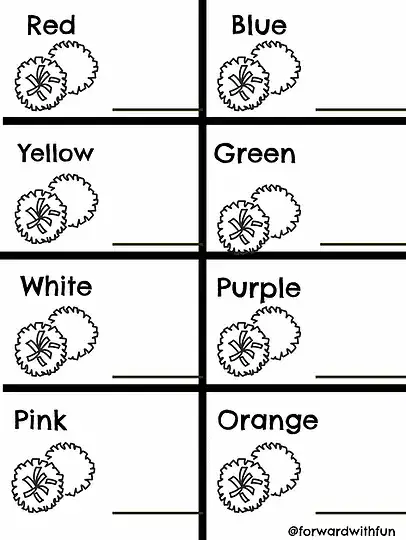
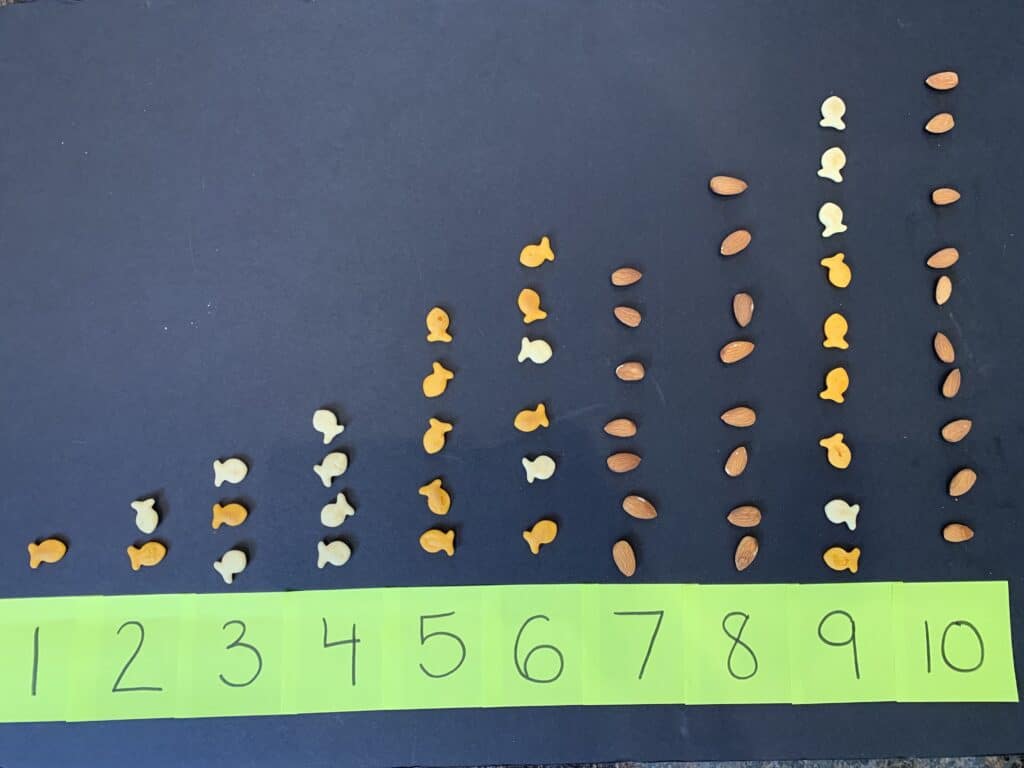
This activity is similar to the one before but instead of recording the numbers, kids will be learning one to one correspondence as they place snacks in their graph. How high did each snack reach? See the corresponding number? That helps them match the quantity to the numeral! Click the photo for a blank pdf version.

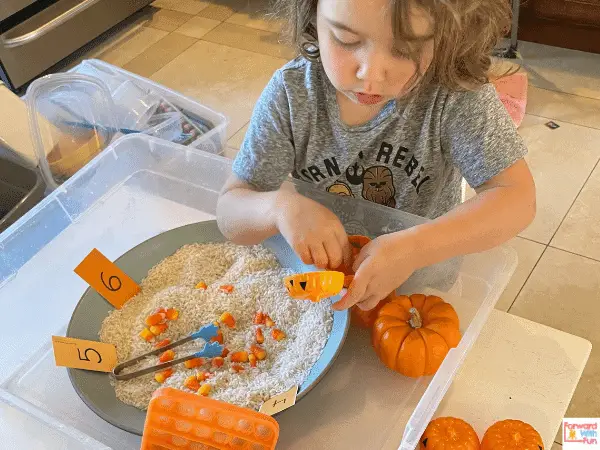
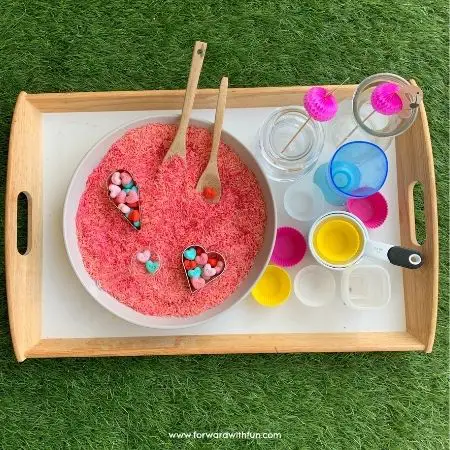
Pick any size container and any kind of sensory filler. For a list of our 50 favorite sensory bin fillers click here. How many scoops will it take to fill the container? My favorite sensory scooping filler is dyed rice.
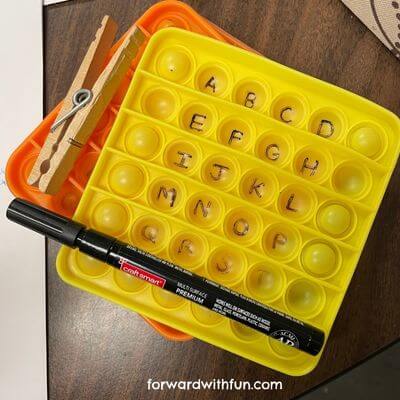
I know you bought a ton of these right after COVID right? Pop it fidget toys were all the rage around 2021, and they're great for so many learning activities. Counting along with popping the bubbles on this fidget toy really reinforces one to one correspondence because it auditory (one pop sound for each number) and tactile (one push for each number). This helps kids slow down their counting to match the quantity which is the goal!
Have each child bring a flower with identifiable petals from home. At a math exploration center, have them count the petals on each flower and record them on a clipboard. Children will love to see what all the flowers they picked look like together in a beautiful bouquet. Maybe they can even add up all the petals to find the total!
I think every classroom I've been to has these sweet little bingo daubers. I love to use those to have children create art but also for math. Have them design a number board then stamp each number the right number of times.
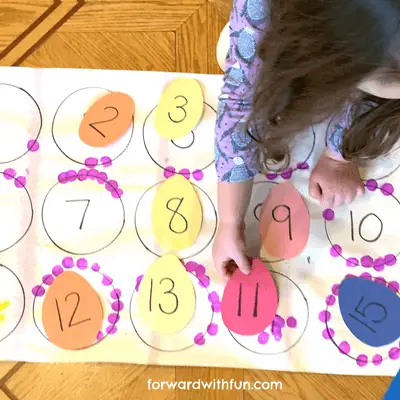
This game just keeps giving and giving. I have used hopscotch for number identification, addition, subtraction and so much more. Challenge children to play hopscotch but instead of hopping once in each box, have them hop the number in each square.
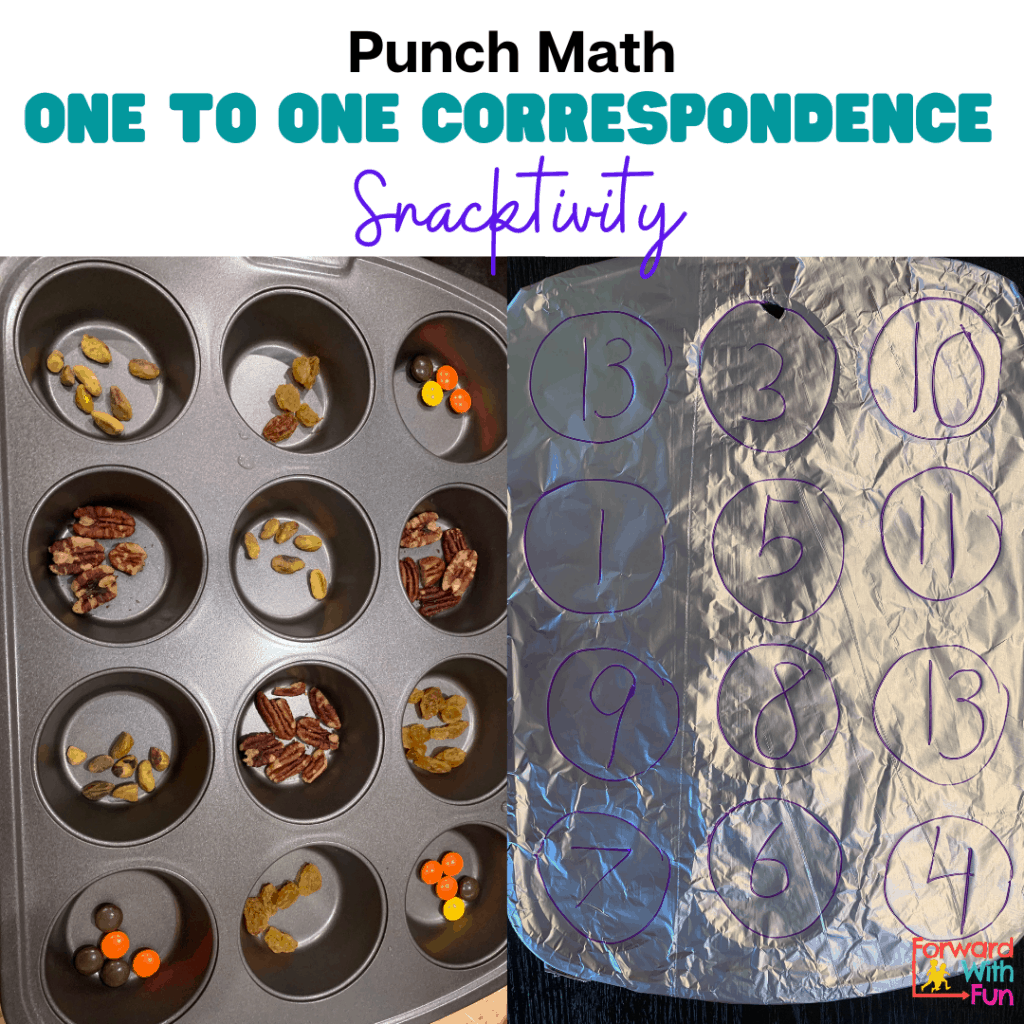
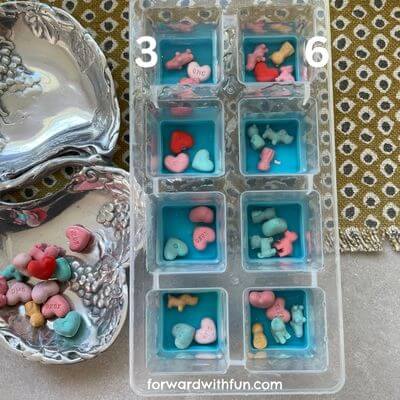
Kitchen items that I use for teaching all the time: ice cube trays and muffin pans. For one to one correspondence activities, I use dollar tree ice trays, write numbers on the sides with dry erase markers, and have kids sort little fun items like marble, tiny erasers, bouncy balls, water beads, etc.
This popular game is something my students cheer for! Set up a 30 second timer they all can see. Explain that kids will have a certain amount of time to create a group of exactly the number you call out. Any groups without the correct number of students will be out. Make sure to call out even and odd numbers! You'll see kids counting and chaotic fun ensue.
For this activity you will need two dice for each child. Kids roll their two dice, count up the dots, and then either cover the seashell with that number or color it. I laminate these to keep as an independent center kids can choose to do. Click the photo for the pdf version.

These activities are just the tip of the iceberg when it comes to beginning math skills. There is so much natural learning that happens as we observe our environment. Enjoy those opportunities to count with accuracy in everyday life: the supermarket, as you're driving, in the classroom, and everywhere you go to find a child who is engaged with the world around them and knows how to apply math to their everyday lives.
If you've enjoyed these freebies and ideas, please PIN or Follow me on PINTEREST so that I can continue to create and share free learning resources for young learners.
Is your kiddo ready for more? The next step is learning to count 10's and ones with place value activities and even more freebies.